
For food manufacturers, importers, and distributors, selecting the right modified starch is not just about functionality—it directly impacts cost, product quality, and regulatory compliance.
Modified tapioca starch E1404 (oxidized starch) is widely used across the food industry. However, with the rapid rise of clean label and sustainable food trends, many buyers are asking:
Can E1404 still be a suitable choice for modern food formulations?
This article provides a practical, buyer-focused analysis—covering functionality, clean label positioning, and how to source E1404 effectively for international markets.
Quick Answer: What Is E1404 and Is It Clean Label?
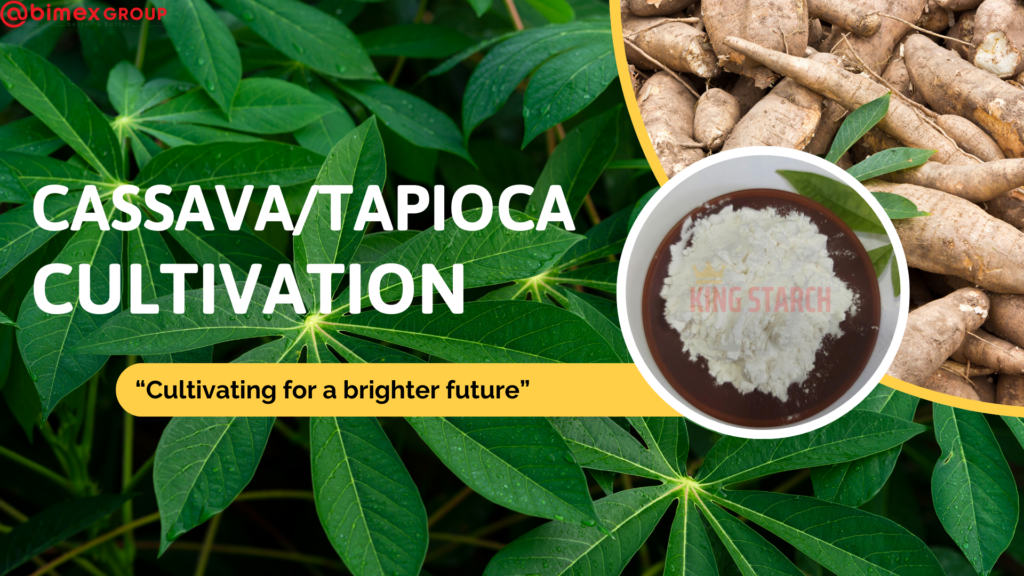
E1404 is an oxidized tapioca starch derived from cassava, designed to improve stability, texture, and processing performance in food products.
- ✅ Safe and globally approved (FDA, EFSA, Codex)
- ⚠️ Not classified as strict clean label due to chemical modification
- ✅ Widely used in industrial food production
Why E1404 Is Still Widely Used in the Food Industry
Despite clean label concerns, E1404 remains a preferred choice for manufacturers due to its performance advantages.
Key Functional Benefits
- High thermal and shear stability
- Improved texture and consistency
- Better whiteness and visual appeal
- Controlled viscosity for efficient processing
Typical Applications

- Sauces, soups, and dressings
- Dairy and dessert products
- Instant and processed foods
- Confectionery
Can E1404 Fit into Clean Label Strategies?
The answer depends on your target market and product positioning.
Suitable Use Cases
- Mass-market and mid-range food products
- Export markets with flexible clean label standards
- Products prioritizing stability and shelf life
Less Suitable For
- Premium “100% natural” or “no additives” claims
- Strict clean label markets in certain EU segments
Sustainability Perspective: Tapioca as a Strategic Advantage
E1404 derived from cassava offers several sustainability benefits:
- Cassava requires less water and fewer inputs
- High yield per hectare
- Supports agricultural economies in developing countries
For buyers, this creates opportunities to position products as:
- Plant-based
- Responsibly sourced
- Cost-efficient and scalable
For Buyers & Importers: How to Choose the Right E1404 Supplier
When sourcing modified tapioca starch E1404, selecting the right supplier is critical for long-term success.
Key Criteria to Evaluate
- Consistent quality and technical specifications (viscosity, pH, whiteness)
- Compliance with international standards (FDA, EFSA, Codex)
- Certifications (ISO, HACCP, Halal, Kosher if required)
- Stable bulk supply capacity
- Export documentation support (COA, MSDS, packing list, etc.)
Common Questions from Buyers
Is E1404 safe for food use?
Yes. It is approved by FDA, EFSA, and Codex and is widely used globally.
Is E1404 natural?
It is derived from natural tapioca starch but chemically modified, so it is not considered fully natural.
Why use E1404 instead of native starch?
Because it provides better stability, consistency, and efficiency in large-scale production.
What industries use E1404?
Food processing, dairy, sauces, confectionery, and even industrial applications such as paper and adhesives.
Conclusion: A Practical Choice for Industrial Food Production
E1404 is not a perfect clean label ingredient—but it is a practical and widely accepted solution for manufacturers who need:
- Reliable performance
- Cost efficiency
- Scalable production
Call to Action: Work with a Reliable E1404 Supplier
If you are sourcing modified tapioca starch E1404 for food or industrial use, choosing the right partner is essential.
We support international buyers with:
- Customized specifications based on application
- Full export documentation (COA, MSDS, etc.)
- Stable bulk supply with consistent quality
- Experience serving global markets
Primary Keywords Used
- modified tapioca starch E1404
- oxidized tapioca starch
- tapioca starch supplier
- modified starch for food industry