
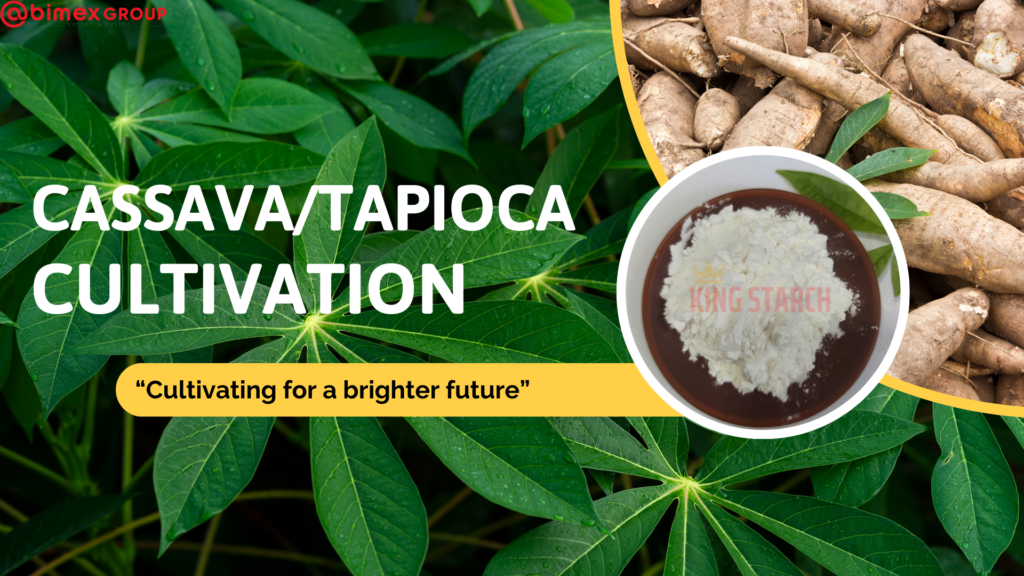
Sulphur dioxide (SO2) residue is an important quality consideration when sourcing tapioca starch for food manufacturing. For producers of sauces, noodles, bakery products, and processed foods, understanding SO2 levels helps support ingredient safety, regulatory compliance, and supplier qualification. As a tapioca starch manufacturer, we recognise the importance of transparent quality documentation and reliable testing information […]
Category Archives: News
Blogs, News
Tapioca Starch Packing and Container Loading: 25 kg Bags, Jumbo Bags, and What Buyers Should Confirm Before Shipping
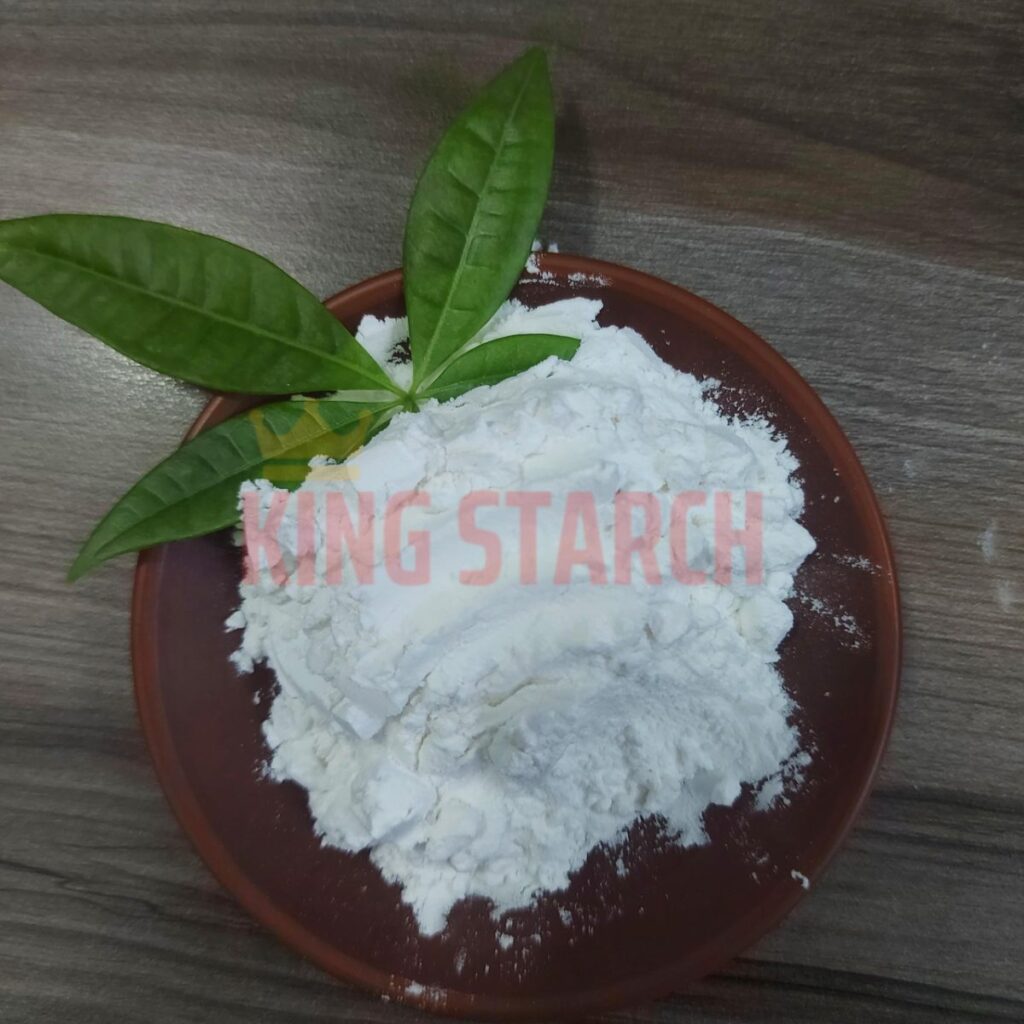
For industrial manufacturers, choosing the right tapioca starch packing is essential for product protection, efficient handling, and reliable international shipping. Whether sourcing native or modified tapioca starch, buyers should understand packaging options and container loading requirements before confirming an order. As a tapioca starch manufacturer and exporter, we recognize that suitable packaging and careful shipment […]
Blogs, News
Tapioca Starch in Pet Food and Treats: Binding, Texture, and Grain-Free Formulation for Manufacturers
The pet food industry continues to evolve, with manufacturers focusing on ingredient functionality, product consistency, and grain-free formulation options. Tapioca starch in pet food has become a relevant ingredient for manufacturers seeking plant-based starch solutions that support binding, texture development, and processing requirements. Derived from cassava roots, tapioca starch is available in native and modified […]
Blogs, News
What Drives Tapioca Starch Prices: Cassava Supply, Weather, and Demand Cycles Buyers Should Watch

Tapioca starch prices are influenced by several interconnected factors, including cassava supply, weather conditions, industrial demand, and production costs. For manufacturers using native or modified tapioca starch, understanding these factors helps improve procurement planning, manage sourcing risks, and maintain production continuity. As a tapioca starch manufacturer, we recognize that industrial buyers need more than competitive […]
Blogs, News
How to Read a Tapioca Starch Specification Sheet: Moisture, Whiteness, Viscosity, and pH Explained
When sourcing tapioca starch, price is only one part of the purchasing decision. A specification sheet provides essential information about product quality, consistency, and suitability for industrial applications. However, values such as moisture, whiteness, viscosity, and pH should not be evaluated independently. Understanding what these parameters represent—and how they are measured—can help purchasing, QA, and […]
Maintaining consistent texture after freezing and thawing is a major challenge for frozen food manufacturers. Sauces may release water, fillings can lose body, and ready meals may develop an undesirable texture after frozen storage, thawing, or reheating. This is where modified tapioca starch can provide important functional benefits. Selected grades can help manage water, reduce […]

As manufacturers increasingly explore renewable and plant-based raw materials, tapioca starch is gaining attention as a natural adhesive and binder for industrial applications. Derived from cassava roots, tapioca starch offers useful binding, viscosity and film-forming properties when properly processed in water-based systems. For manufacturers of corrugated board, paper tubes, paper packaging and other converted products, […]

Tapioca Starch vs Corn Starch: Picking the Right Thickener for Your Formula When comparing tapioca starch vs corn starch, industrial manufacturers should not ask which one is universally better. A more useful question is: which starch delivers the right functionality for the target product, process, texture, and shelf life? Both tapioca starch and corn starch […]

For food manufacturers, tapioca starch does not deliver the same functionality at every processing temperature. Its behavior changes as water, heat, shear, and starch structure interact. Understanding these changes is essential when selecting native or modified tapioca starch for industrial food systems where viscosity, texture, stability, and processing tolerance must remain controlled. What Happens to […]
Choosing native vs modified tapioca starch is not about deciding which ingredient is universally “better.” For industrial food manufacturers, the right choice depends on what happens to the starch during processing and what texture must remain throughout the product’s shelf life. As a tapioca starch manufacturer, we recommend starting with seven practical processing questions. 1. […]