

1. Growing Consumer Preference for Clean Label Products
Consumers today are more conscious about what they eat and use. Many buyers actively avoid products containing:
- Artificial preservatives
- Synthetic emulsifiers
- Chemical stabilizers
- Artificial thickeners
As a result, food manufacturers are reformulating products with natural and recognizable ingredients.
This clean-label movement is one of the strongest drivers behind the growth of the global modified starch market.
2. Stricter Food Safety Regulations
Governments and food safety authorities worldwide continue to strengthen regulations on artificial additives.
Regions including:
- European Union
- United States
- Japan
- South Korea
have implemented stricter evaluations regarding the safety and long-term effects of certain synthetic ingredients.
Because modified starch is derived from natural starch sources, many manufacturers prefer it as a safer and more regulation-friendly solution.
3. Sustainability and Environmental Concerns
Sustainability has become a major priority across global industries. Companies are under pressure to reduce dependence on petroleum-based chemicals and improve environmental performance.
Modified starch offers several sustainability advantages:
- Renewable raw material source
- Biodegradable properties
- Lower carbon footprint
- Reduced environmental impact
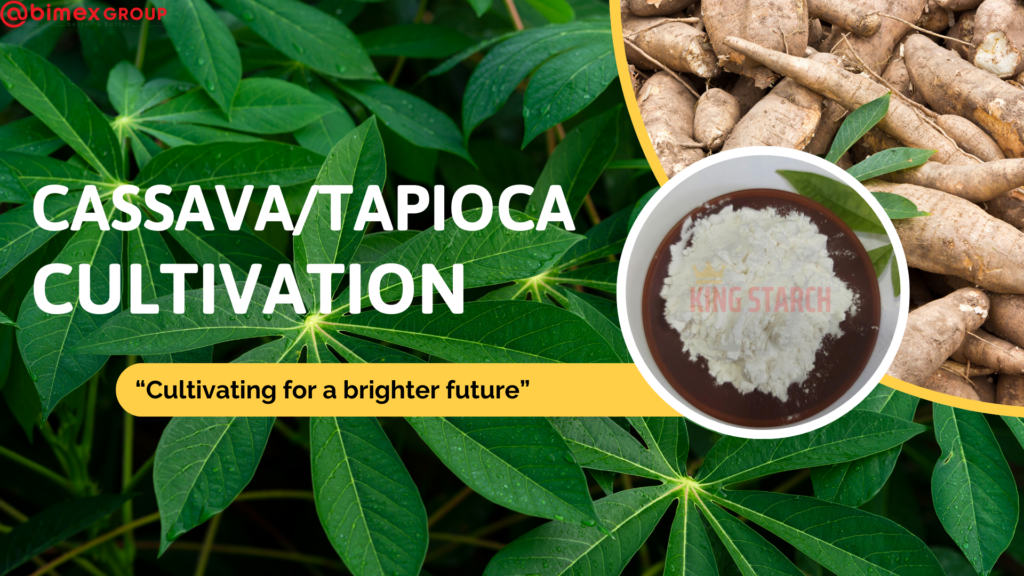
Cassava starch is especially attractive because cassava cultivation requires relatively low agricultural input while providing high starch yield.
Advantages of Modified Starch Over Synthetic Additives
Excellent Functional Performance
One of the key reasons industries choose modified starch is its multifunctionality.
Modified starch can:
- Improve viscosity
- Stabilize emulsions
- Enhance mouthfeel
- Increase water retention
- Improve freeze-thaw stability
- Prevent syneresis
These properties make modified starch suitable for a wide range of applications.
Cost-Effective Ingredient Solution
Compared to some synthetic hydrocolloids and specialty additives, modified starch often provides:
- Competitive pricing
- Easier sourcing
- Better scalability
- Lower formulation costs
For manufacturers seeking both performance and cost efficiency, modified starch offers significant commercial advantages.
Consumer-Friendly Image
Consumers generally perceive starch-based ingredients as more natural and safer than chemical-sounding additives. This perception helps brands strengthen their clean-label positioning and improve market acceptance.
Why Cassava Modified Starch Is Becoming More Popular

High Purity and Neutral Characteristics
Cassava modified starch contains very low levels of protein and fat, making it highly suitable for food applications requiring purity and stability.
It also offers:
- Neutral taste
- Bright white color
- Smooth texture
- Excellent clarity
These characteristics are particularly important for premium food products.
Gluten-Free and Allergen-Friendly
Cassava modified starch is naturally gluten-free and suitable for consumers with dietary restrictions or gluten intolerance.
As global demand for gluten-free products continues to rise, cassava starch-based ingredients are becoming increasingly important.
Excellent Processing Stability
Cassava modified starch performs well under:
- High temperature
- Acidic conditions
- Mechanical processing
- Freeze-thaw cycles
This makes it highly valuable in modern industrial food production.
Applications of Modified Starch Across Industries
Food and Beverage Industry
The food industry is the largest consumer of modified starch worldwide.
Common applications include:
- Sauces and soups
- Instant noodles
- Dairy products
- Bakery fillings
- Frozen foods
- Processed meat products
- Ready-to-eat meals
Modified starch helps manufacturers improve texture, consistency, shelf life, and product stability while reducing reliance on synthetic additives.
Pharmaceutical Industry
In pharmaceuticals, modified starch is widely used as:
- Tablet binder
- Drug disintegrant
- Coating material
- Controlled release agent
Natural excipients are increasingly preferred in pharmaceutical formulations.
Paper and Packaging Industry
Modified starch is replacing synthetic binders and coatings in paper production and sustainable packaging applications.
Benefits include:
- Improved paper strength
- Better printability
- Enhanced surface quality
- Biodegradability
Textile Industry
In textile manufacturing, modified starch is used for:
- Warp sizing
- Fabric finishing
- Printing thickening
Many textile companies are reducing synthetic chemical usage to meet environmental standards and export requirements.
Global Market Trends for Modified Starch
Strong Growth in Clean Label Products
The clean-label food trend continues to expand globally, especially in:
- North America
- Europe
- Asia-Pacific
Consumers increasingly prefer products containing natural and recognizable ingredients.
This trend is expected to drive long-term demand for modified starch solutions.
Growth of Biodegradable Materials
Modified starch is also gaining importance in:
- Bioplastics
- Eco-friendly packaging
- Sustainable adhesives
As industries move toward greener materials, starch-based ingredients are expected to play a larger role in future manufacturing systems.
Challenges in Replacing Synthetic Additives
Despite its many advantages, modified starch still faces some limitations.
Technical Performance Differences
Certain synthetic additives may still offer superior performance under extreme processing conditions.
As a result, some manufacturers require customized starch formulations.
Future Outlook of the Modified Starch Industry
The future of modified starch remains highly promising as industries continue moving toward:
- Clean-label products
- Sustainable manufacturing
- Natural ingredient systems
- Biodegradable materials
Innovation in non-chemical starch modification technologies is also creating new opportunities for advanced starch applications.
As consumer awareness and environmental regulations continue to grow, modified starch is expected to become one of the most important alternatives to synthetic additives worldwide.
Conclusion
The trend of replacing synthetic additives with modified starch is transforming global food and industrial manufacturing.
Driven by consumer demand, regulatory pressure, and sustainability goals, modified starch has become a reliable multifunctional ingredient for modern production systems.
Among various starch sources, cassava modified starch stands out for its:
- High purity
- Neutral flavor
- Excellent functionality
- Gluten-free properties
- Sustainability advantages
As industries continue seeking natural and eco-friendly solutions, modified starch will play an increasingly important role in the future of clean-label and sustainable manufacturing.
FAQs
Is modified starch safe?
Yes. Food-grade modified starch is approved by major food safety authorities including the FDA and EFSA for use in food and industrial applications.
Is modified starch natural?
Modified starch is derived from natural starch sources such as cassava, corn, potato, or tapioca, although its properties are enhanced through physical, enzymatic, or chemical modification processes.
Why is cassava modified starch popular?
Cassava modified starch is popular because it offers high purity, smooth texture, neutral taste, strong viscosity performance, and gluten-free characteristics.
Which industries use modified starch?
Modified starch is widely used in:
- Food and beverage
- Pharmaceuticals
- Paper manufacturing
- Textile production
- Adhesives
- Biodegradable packaging