
Meta description: Looking for a reliable tapioca starch supplier in Vietnam? KING STARCH VIETNAM – ABIMEX GROUP offers bulk food-grade cassava starch with stable quality, competitive pricing, and global export support. Looking for a Reliable Tapioca Starch Supplier Vietnam? If you are a food manufacturer, importer, or distributor looking for a bulk tapioca starch supplier, choosing […]
Tag Archives: king starch
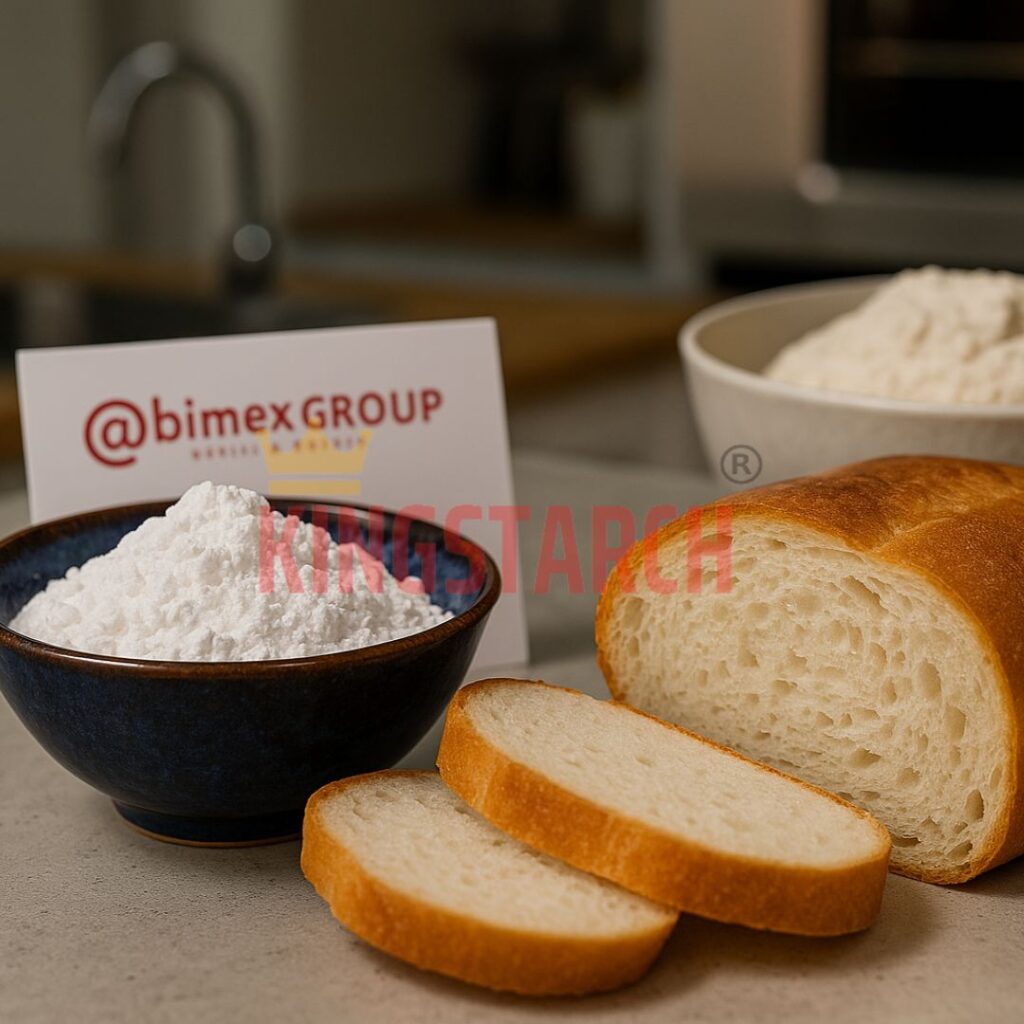
The Differences Between Cassava Starch, Wheat Starch, Corn Starch, and Potato Starch Native tapioca starch, extracted from cassava roots, is a naturally gluten-free ingredient gaining prominence in the bakery industry. Its unique properties make it ideal for producing gluten-free bread, catering to the increasing demand for such products. The global tapioca starch market was valued […]
Blogs, News
Enhancing Udon Noodles with Acetylated Distarch Adipate (E1422): Superior Texture and Shelf-Life Stability
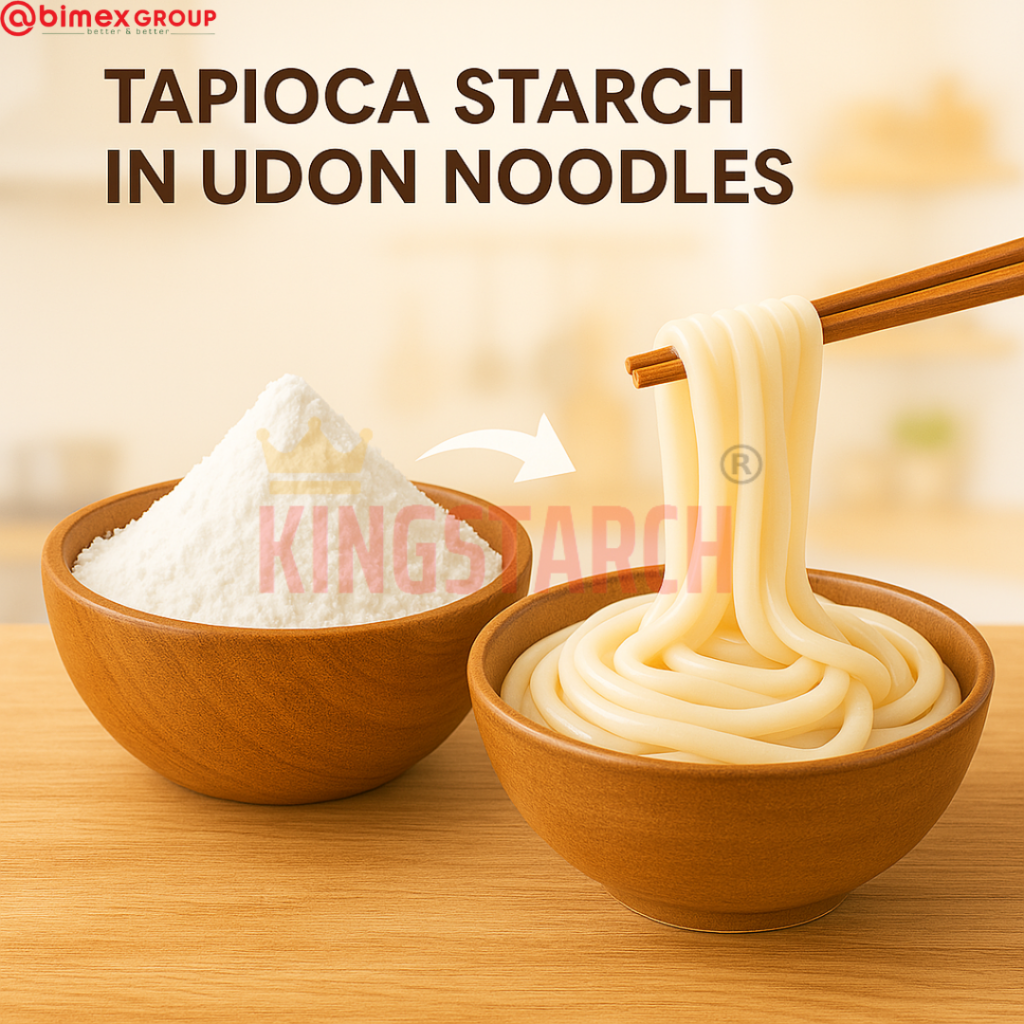
Udon noodles, a staple of Japanese cuisine, are beloved worldwide for their chewy, smooth texture and comforting taste. As consumer demand rises for high-quality, shelf-stable noodle products, food technologists and manufacturers are turning to functional starch solutions like Acetylated Distarch Adipate (E1422) to meet these expectations. This modified starch offers exceptional functional benefits in Udon […]
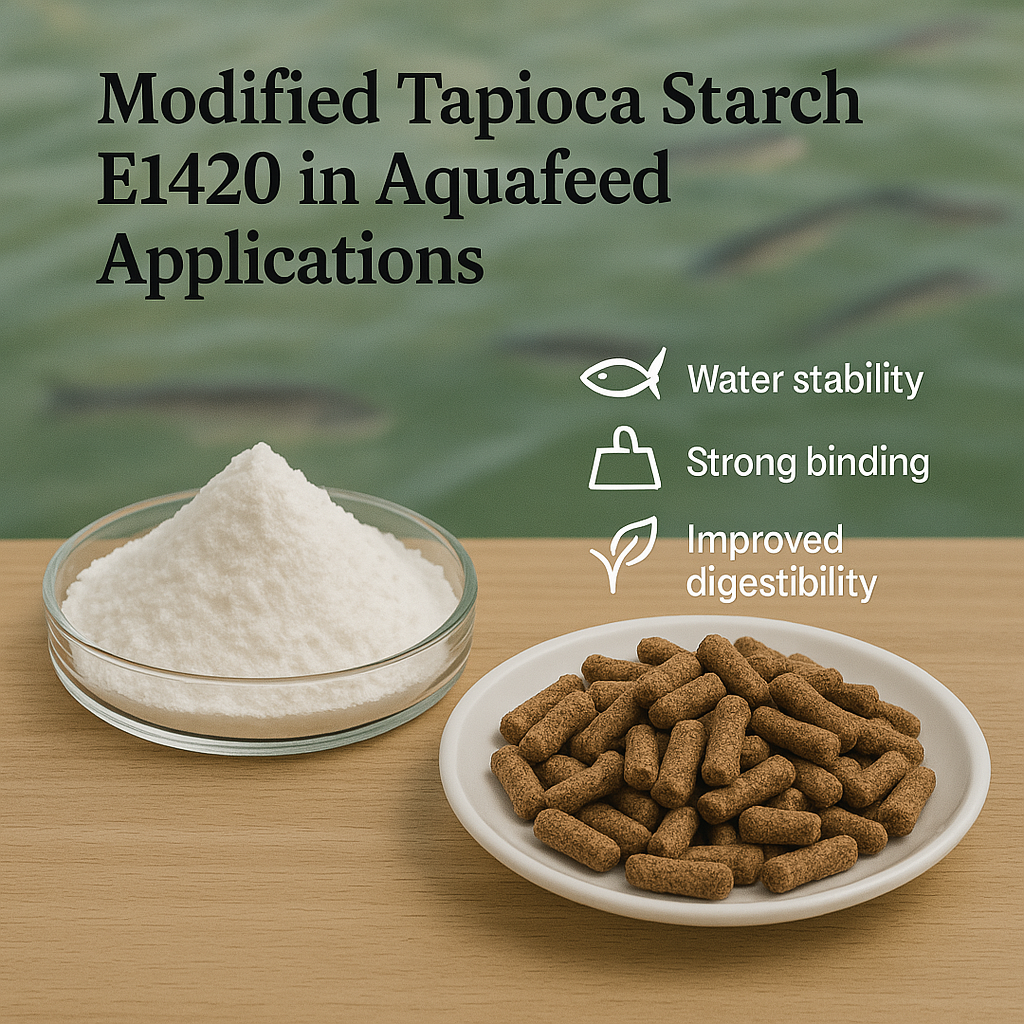
The Differences Between Cassava Starch, Wheat Starch, Corn Starch, and Potato Starch In the dynamic world of aquaculture, nutrition plays a critical role in enhancing growth performance, feed efficiency, and overall aquatic animal health. One ingredient making waves in feed formulations is Acetylated Tapioca Starch E1420—a modified starch known for its improved functional properties. Its […]
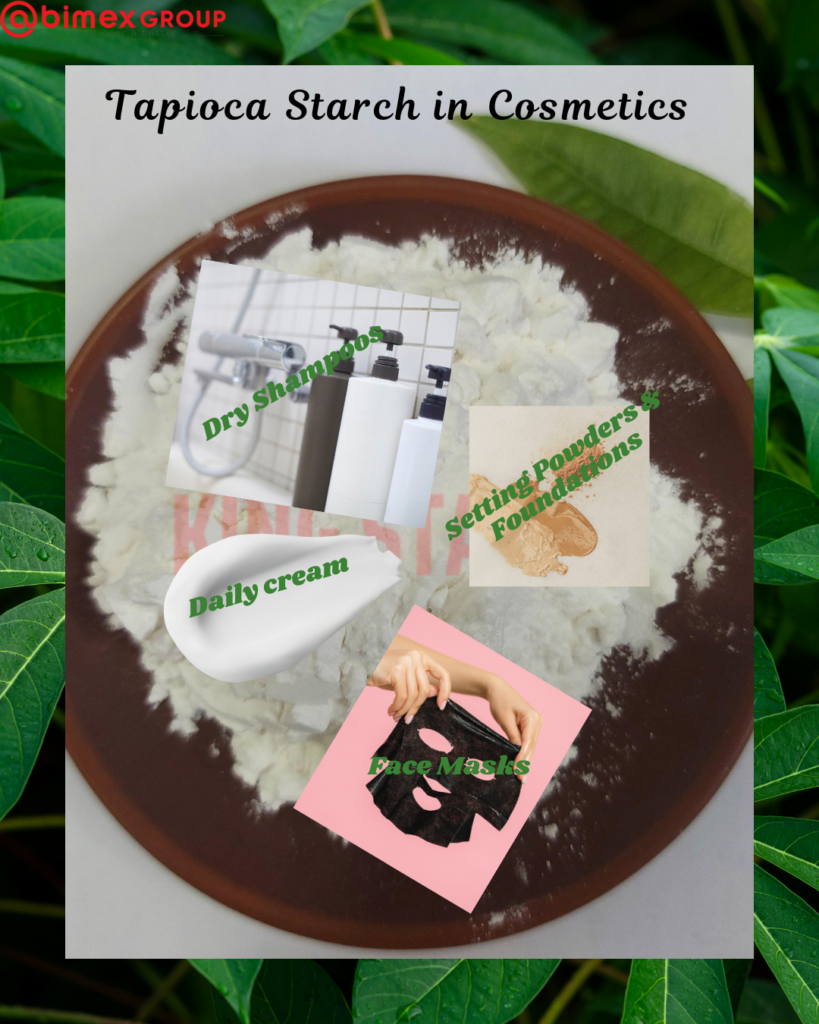
Tapioca starch, derived from the cassava plant, has long been a staple in various industries due to its versatile properties. In recent years, its application in the cosmetics industry has gained significant attention. As consumers shift towards natural and sustainable ingredients, tapioca starch has emerged as a powerful alternative to synthetic compounds in beauty products. […]
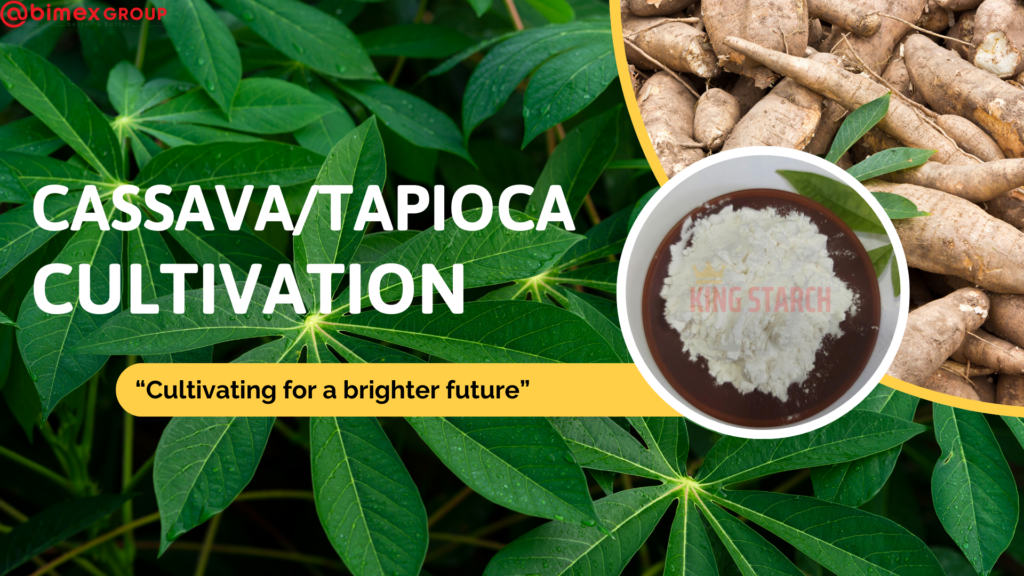
The Differences Between Cassava Starch, Wheat Starch, Corn Starch, and Potato Starch Introduction Sustainable agriculture is vital for preserving resources and ensuring long-term productivity. As demand for tapioca starch grows, eco-friendly initiatives in cultivation and processing play a crucial role in reducing environmental impact. This article explores various sustainability efforts that enhance the efficiency of […]
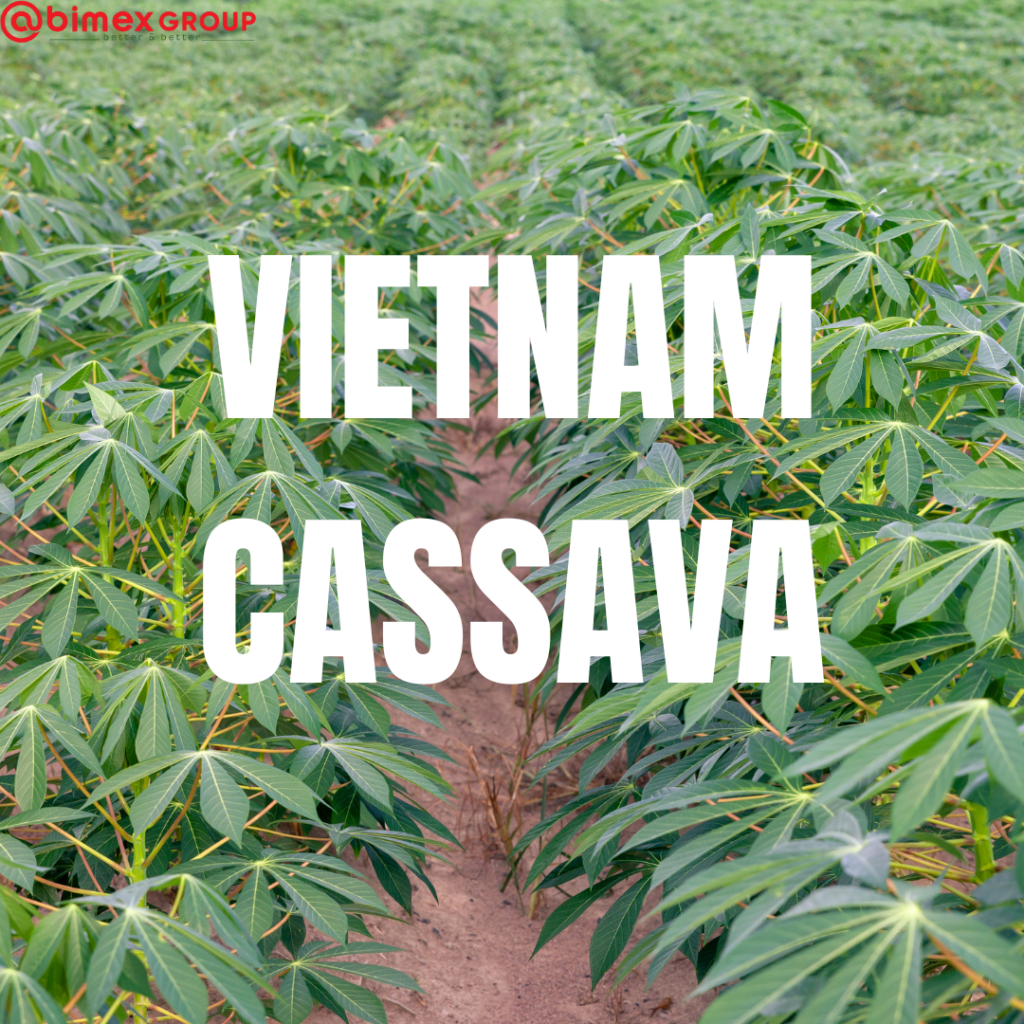
Ketchup Production Revolutionized: How Modified Tapioca Starch Enhances Quality in 2024 Introduction Tapioca starch production is a cornerstone of Vietnam’s agricultural sector, contributing significantly to the national economy, generating over $1 billion annually through exports and providing employment for hundreds of thousands of workers across the supply chain. This article explores the economic impact of […]
The Differences Between Cassava Starch, Wheat Starch, Corn Starch, and Potato Starch The shift toward a circular economy—a model focused on reducing waste and maximizing resource reuse—is transforming industries globally. Tapioca starch, derived from the renewable cassava plant, is playing a pivotal role in this transition. Its biodegradable nature, versatile applications, and ability to support […]
Blogs, News
Tapioca Starch vs. Synthetic Binders: A Comparative Analysis for Industrial Applications
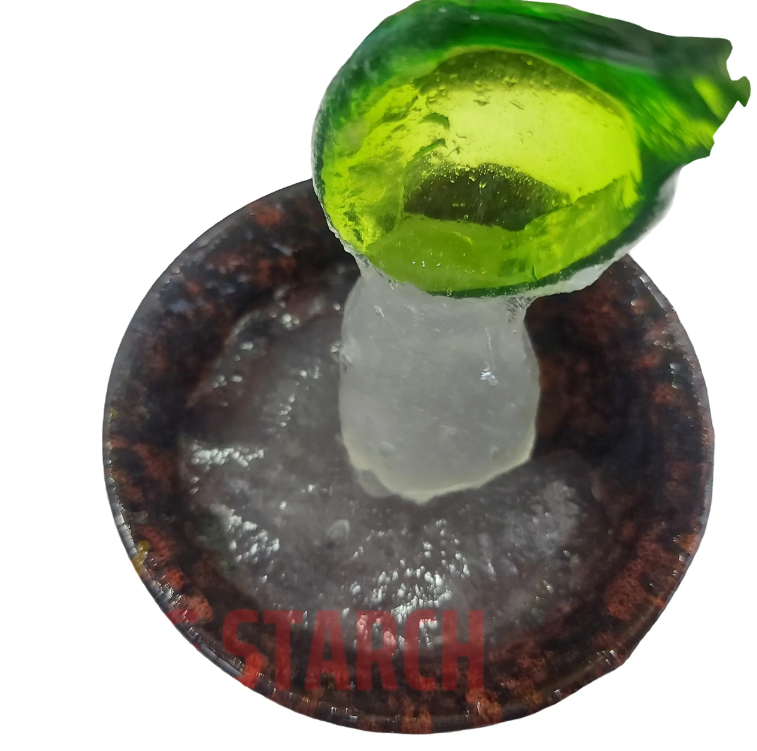
In industrial applications, the choice of binders can significantly affect product performance, cost efficiency, and environmental sustainability. Tapioca starch, a natural binder derived from cassava roots, and synthetic binders, often petroleum-based, represent two contrasting approaches to fulfilling industrial needs. This article explores the comparative advantages and limitations of tapioca starch and synthetic binders, offering insights […]
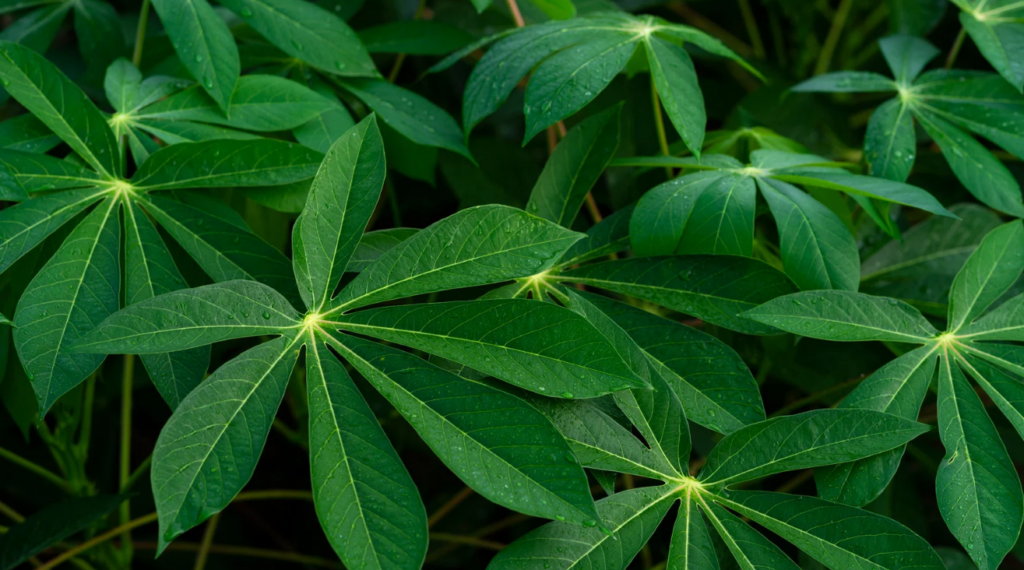
Tapioca starch, extracted from the cassava plant, plays a vital role in industries such as food production, pharmaceuticals, textiles, and sustainable packaging. With its increasing global demand, effective management of the tapioca starch supply chain has become essential for manufacturers and distributors. However, this supply chain faces significant challenges ranging from logistics to environmental factors, […]