
For rice paper manufacturers, achieving consistent flexibility, transparency, and handling performance requires more than choosing high-quality rice flour. The tapioca starch rice paper combination can help manufacturers adjust sheet properties during steaming, drying, rehydration, and final preparation. As a tapioca starch manufacturer, we focus on how starch selection supports industrial wrapper performance—not home cooking recipes. […]
Tag Archives: tapioca starch
Blogs, News
Tapioca Starch vs Potato Starch: How Gelatinization, Clarity, and Texture Differ in Food Formulations
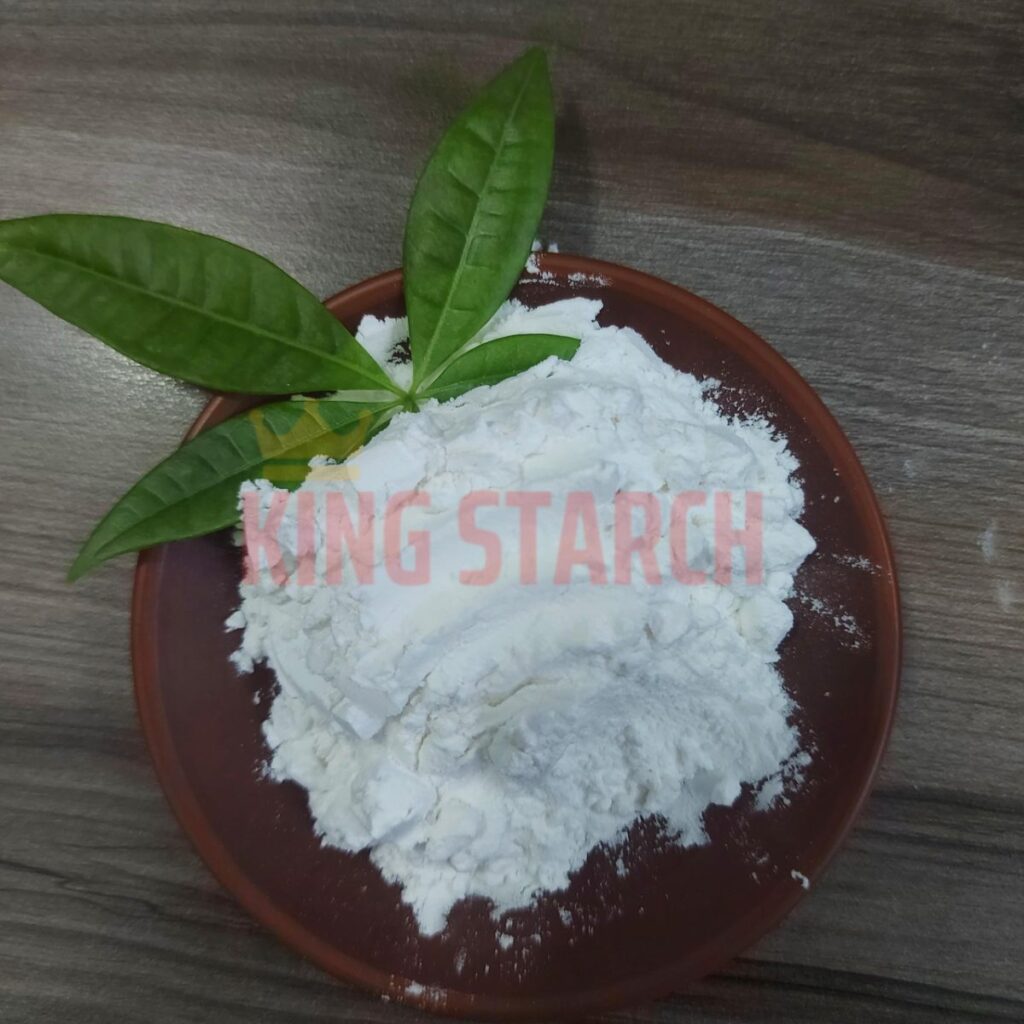
Choosing between tapioca starch and potato starch involves more than comparing thickening power. For food manufacturers, gelatinization behavior, paste clarity, texture, and processing stability all influence finished-product quality. Both starches offer useful functionality, but neither is universally superior. The best choice depends on the recipe, manufacturing conditions, and target sensory experience. Tapioca Starch vs Potato […]
Blogs, News
Sulphur Dioxide (SO2) in Tapioca Starch: Why Residue Levels Matter and How Buyers Can Ask for Test Results
Sulphur dioxide (SO2) residue is an important quality consideration when sourcing tapioca starch for food manufacturing. For producers of sauces, noodles, bakery products, and processed foods, understanding SO2 levels helps support ingredient safety, regulatory compliance, and supplier qualification. As a tapioca starch manufacturer, we recognise the importance of transparent quality documentation and reliable testing information […]
Blogs, News
Tapioca Starch in Pet Food and Treats: Binding, Texture, and Grain-Free Formulation for Manufacturers
The pet food industry continues to evolve, with manufacturers focusing on ingredient functionality, product consistency, and grain-free formulation options. Tapioca starch in pet food has become a relevant ingredient for manufacturers seeking plant-based starch solutions that support binding, texture development, and processing requirements. Derived from cassava roots, tapioca starch is available in native and modified […]
Blogs, News
How to Read a Tapioca Starch Specification Sheet: Moisture, Whiteness, Viscosity, and pH Explained
When sourcing tapioca starch, price is only one part of the purchasing decision. A specification sheet provides essential information about product quality, consistency, and suitability for industrial applications. However, values such as moisture, whiteness, viscosity, and pH should not be evaluated independently. Understanding what these parameters represent—and how they are measured—can help purchasing, QA, and […]
Maintaining consistent texture after freezing and thawing is a major challenge for frozen food manufacturers. Sauces may release water, fillings can lose body, and ready meals may develop an undesirable texture after frozen storage, thawing, or reheating. This is where modified tapioca starch can provide important functional benefits. Selected grades can help manage water, reduce […]
As manufacturers increasingly explore renewable and plant-based raw materials, tapioca starch is gaining attention as a natural adhesive and binder for industrial applications. Derived from cassava roots, tapioca starch offers useful binding, viscosity and film-forming properties when properly processed in water-based systems. For manufacturers of corrugated board, paper tubes, paper packaging and other converted products, […]
Tapioca Starch vs Corn Starch: Picking the Right Thickener for Your Formula When comparing tapioca starch vs corn starch, industrial manufacturers should not ask which one is universally better. A more useful question is: which starch delivers the right functionality for the target product, process, texture, and shelf life? Both tapioca starch and corn starch […]
For food manufacturers, tapioca starch does not deliver the same functionality at every processing temperature. Its behavior changes as water, heat, shear, and starch structure interact. Understanding these changes is essential when selecting native or modified tapioca starch for industrial food systems where viscosity, texture, stability, and processing tolerance must remain controlled. What Happens to […]

What Makes a Perfect Bubble Tea Pearl? The signature appeal of bubble tea is not only the drink itself—it is also the distinctive chewy, elastic texture of tapioca pearls. For consumers, that texture is part of the experience. For manufacturers, however, achieving it consistently requires careful control of starch functionality, water, temperature, formulation and processing […]