
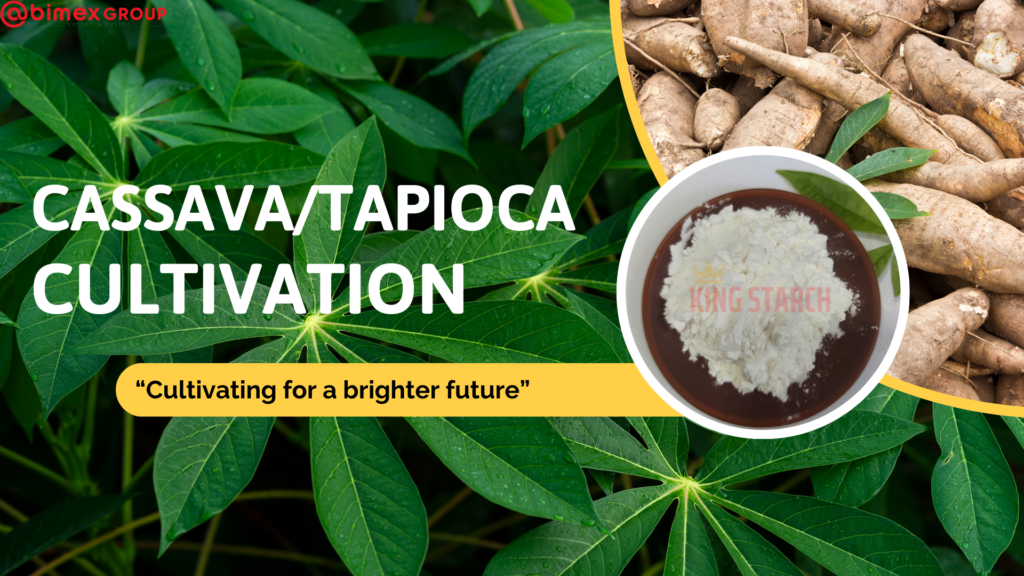
Choosing between tapioca starch and potato starch involves more than comparing thickening power. For food manufacturers, gelatinization behavior, paste clarity, texture, and processing stability all influence finished-product quality.
Both starches offer useful functionality, but neither is universally superior. The best choice depends on the recipe, manufacturing conditions, and target sensory experience.
Tapioca Starch vs Potato Starch: Key Differences
| Property | Tapioca Starch | Potato Starch |
|---|---|---|
| Source | Cassava roots | Potatoes |
| Gelatinization | Develops smooth, cohesive pastes when heated with sufficient water | Often exhibits substantial granule swelling during heating |
| Paste clarity | Can produce clear, glossy pastes | Also known for high clarity and gloss |
| Texture | Can support smooth, cohesive, or chewy textures | Can provide body, water binding, and firmer structures in some systems |
| Processing performance | Depends on grade and formulation | Depends on grade and formulation |
These are general tendencies, primarily for native starches—not guaranteed specifications for individual products.
1. Gelatinization: How Heating Changes Starch Performance
Gelatinization occurs when starch granules absorb water and undergo structural changes during heating. This contributes to thickening, but the final consistency also depends on mixing, ingredient interactions, and subsequent cooling.
Tapioca starch is frequently selected when manufacturers seek smooth, cohesive textures. Potato starch is recognized for pronounced swelling and substantial paste development. However, neither description predicts performance in every food system.
Sugar, salt, acidity, available water, and shear can alter how either starch behaves. Manufacturers should assess starch under their actual cooking and filling conditions rather than relying on generalized figures.
2. Paste Clarity: Both Starches Can Deliver Gloss
Clarity matters in fruit fillings, glazes, dessert toppings, and sauces where appearance influences product appeal.
Tapioca starch can create relatively clear, glossy pastes, making it a candidate for visually appealing formulations. Potato starch can also achieve high clarity; it would be misleading to claim tapioca is always clearer.
Clarity may change with processing, the presence of other ingredients, and storage. For transparent products, compare finished samples immediately after production and throughout the intended shelf life.
3. Texture: Match the Starch to the Product
Tapioca starch may contribute smoothness, cohesiveness, and elasticity in suitable formulations. These characteristics can be useful in noodles, dumplings, sauces, and bakery fillings.
Potato starch can provide substantial body and water binding, and may form firmer textures in certain systems. Whether that is desirable depends on the product.
For example, a fruit filling may need gloss and smooth flow, while a savory prepared food may require firmness or moisture retention. Evaluate texture in the complete recipe—not in a starch-and-water test alone.
4. Tapioca Starch Uses in Food Manufacturing
Common tapioca starch uses include:
- Sauces and soups: Building body and smooth mouthfeel.
- Fruit and bakery fillings: Supporting consistency and an attractive finish.
- Noodles and dumplings: Contributing to cohesive or chewy textures.
- Batters and coatings: Helping shape finished-product texture.
- Chilled or frozen foods: Selected modified grades may support targeted stability requirements.
For more demanding processes, modified tapioca starch may offer functions tailored to heating, mixing, or storage conditions. Performance depends on the specific modification and grade; not every modified starch is suitable for every application.
5. Choosing Tapioca Starch for Food Manufacturers
When sourcing tapioca starch for food manufacturers, focus on measurable results rather than botanical origin alone.
- Define targets for clarity, texture, consistency, and shelf life.
- Share your formulation and processing conditions with the supplier.
- Request relevant technical specifications and application guidance.
- Test candidate tapioca and potato starch grades in your own recipe.
- Confirm performance during pilot or production-scale trials.
A direct one-to-one replacement should not be assumed to deliver identical results.
Frequently Asked Questions
Is tapioca starch better than potato starch? Not universally. Each may be suitable depending on the intended application and processing conditions.
Can modified tapioca starch replace potato starch? Potentially, but substitution requires testing the specific grade in the finished formulation.
Find the Right Tapioca Starch for Your Application
As a tapioca starch manufacturer, we support food producers evaluating native and modified tapioca starch options for their formulation goals.
Contact our team to discuss your application, request technical information, and arrange sample testing. The most reliable choice is the starch that performs consistently in your own recipe and production process.