
Maintaining consistent texture after freezing and thawing is a major challenge for frozen food manufacturers. Sauces may release water, fillings can lose body, and ready meals may develop an undesirable texture after frozen storage, thawing, or reheating.
This is where modified tapioca starch can provide important functional benefits. Selected grades can help manage water, reduce syneresis, and support texture consistency throughout the frozen food lifecycle.
Table of Contents
ToggleWhat Is Freeze-Thaw Stability?
Freeze-thaw stability describes a food system’s ability to maintain its desired structure, viscosity, and texture during freezing and subsequent thawing.
During freezing, water in the food matrix forms ice crystals. When the product is thawed, changes within the starch structure may contribute to water separation, known as syneresis.
For frozen food manufacturers, this can result in:
- Water separation after thawing
- Loss of viscosity
- Inconsistent texture
- Reduced visual appeal
- Changes in mouthfeel
These challenges become particularly important when products experience temperature fluctuations during frozen storage, transportation, retail handling, or consumer preparation.
How Modified Tapioca Starch Supports Freeze-Thaw Stability
Native tapioca starch is an effective thickener for many food applications. However, demanding frozen systems may require greater resistance to processing and storage stresses.
Depending on the modification and product specification, modified tapioca starch can be designed to provide improved functional stability.
1. Water Management and Syneresis Control
Selected modified tapioca starches can help retain and manage water within the food matrix. Better water management can help reduce visible separation after thawing and support a more homogeneous product.
This functionality is particularly valuable in high-moisture applications such as frozen sauces, gravies, fillings, and ready meals.
2. Texture and Viscosity Stability
A frozen product must maintain acceptable texture not only during production but also after storage, thawing, and reheating.
Appropriately selected modified tapioca starch can help support the desired viscosity and mouthfeel throughout these stages, contributing to more consistent finished-product characteristics.
3. Processing Tolerance
Before reaching the freezer, starch may experience heating, mixing, pumping, shear, or acidic conditions.
Certain modified tapioca starches can be designed for improved tolerance to combinations of heat, shear, acidity, and temperature variation, making them suitable for demanding industrial food processes.
Key Frozen Food Applications
Modified tapioca starch can be considered across a wide range of frozen food categories.
Frozen sauces and gravies: Helps provide viscosity, water binding, and texture stability in pasta sauces, gravies, curry sauces, cheese-style sauces, and meal sauces.
Frozen ready meals: Supports moisture management and sauce consistency where proteins, vegetables, carbohydrates, and sauces are combined in one product.
Frozen bakery fillings: Can support viscosity and water management in fruit fillings, cream fillings, custards, and related bakery applications.
Frozen dairy products: Can contribute to viscosity, smoothness, and texture management in selected dairy and dairy-style formulations.
Processed meat and plant-based products: Selected starches can support water management and texture in appropriate processed protein systems.
Choosing the Right Modified Tapioca Starch
There is no single starch solution that performs optimally in every frozen food formulation.
Manufacturers should consider several factors when selecting a frozen food starch, including:
- Processing temperature and shear
- Product pH
- Starch dosage
- Water availability
- Freezing and storage conditions
- Thawing and reheating method
- Target viscosity and mouthfeel
- Interaction with proteins, fats, sugars, salts, and hydrocolloids
For example, a starch performing effectively in a neutral dairy sauce may behave differently in an acidic fruit filling or a high-shear savory sauce.
Therefore, starch selection should be based on the complete formulation and processing environment rather than starch origin alone.
Why Choose Tapioca-Based Starch Solutions?
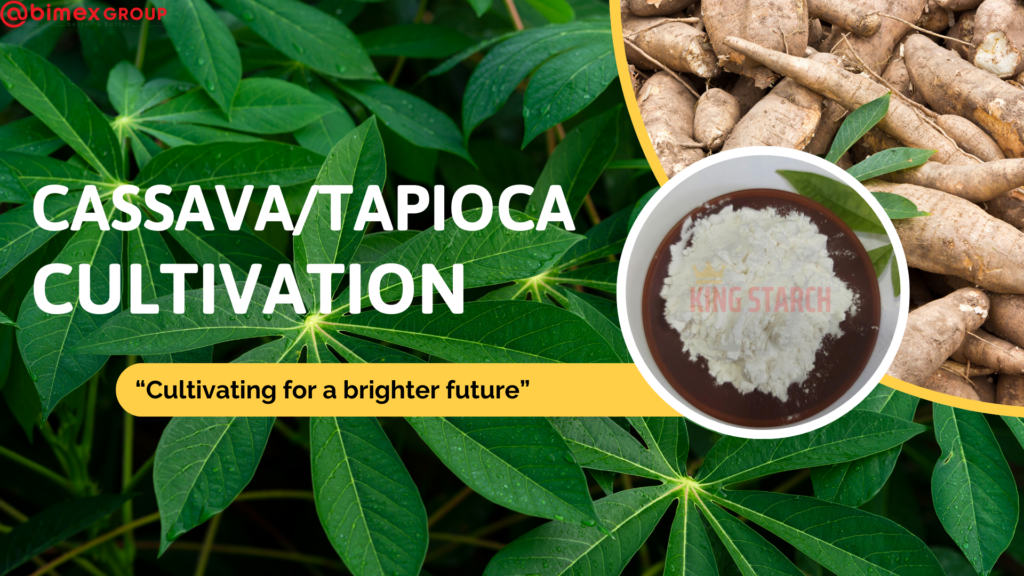
Tapioca starch, derived from cassava roots, is widely used in food manufacturing for its thickening functionality, smooth texture, and relatively neutral sensory profile.
Modification can further expand its functionality for more demanding processing and storage conditions.
For frozen food manufacturers, this makes modified tapioca starch a versatile option when developing products where water management, viscosity, texture, and freeze-thaw performance are important considerations.
Working With a Tapioca Starch Manufacturer
Selecting the right starch is about more than comparing viscosity specifications or price per kilogram. The key question is whether the starch delivers the required functionality within the actual manufacturing process and finished product.
As a tapioca starch manufacturer, we work with food manufacturers to identify suitable starch solutions based on application requirements, processing conditions, desired texture, and storage environment.
Looking for a modified tapioca starch for your frozen food application?
Contact our team to discuss your formulation requirements and request a sample for application trials.
Technical note: The functional characteristics described above are general properties associated with selected starch systems. Actual performance depends on starch grade, dosage, formulation, processing, freezing, storage, thawing, and reheating conditions. Product suitability should be validated in the customer’s specific application before commercial use.
