
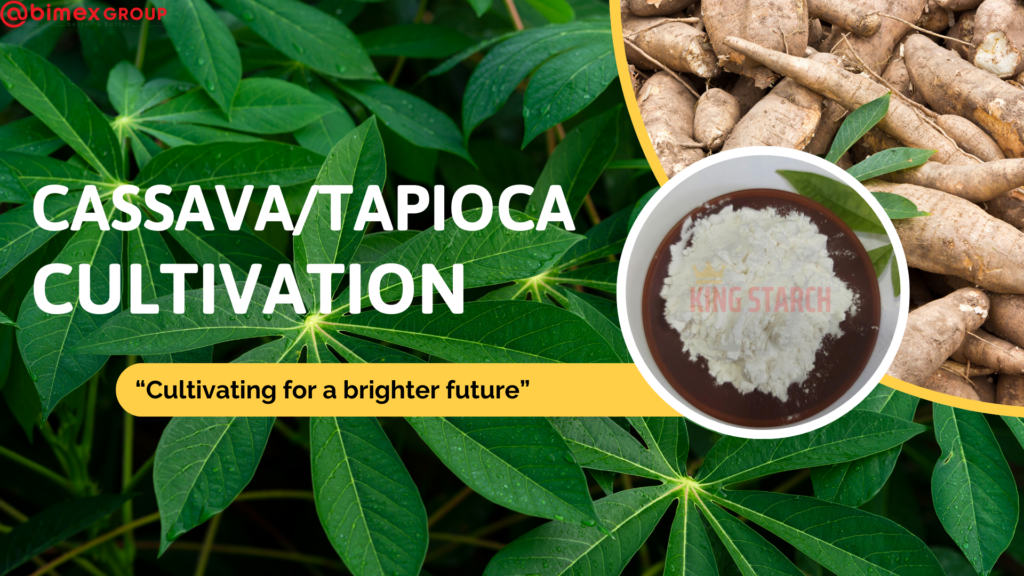
Modified tapioca starch is more than a thickener. In yogurt applications, the right starch grade can improve texture, stability and processing performance while giving manufacturers greater formulation flexibility.
As a tapioca starch manufacturer, we focus on how starch structure and modification determine performance in the final product.
Table of Contents
Toggle1. Builds Controlled Viscosity
Modified tapioca starch helps develop the required body and viscosity in yogurt.
Compared with native starch, modified grades can be designed to provide better viscosity control under industrial processing conditions.
This is especially important for manufacturers producing stirred yogurt, low-fat yogurt and other products requiring consistent spoonability.
2. Improves Water Holding
One of the key functions of modified tapioca starch is its ability to bind and retain water.
In yogurt systems, better water holding can help reduce syneresis, or visible whey separation, during refrigerated storage.
The result is a more homogeneous and stable finished product.
3. Provides Smooth and Creamy Texture
Tapioca starch is widely valued for its relatively neutral taste and smooth texture profile.
A suitable modified tapioca starch can contribute:
- Smooth mouthfeel
- Creamier texture
- Fuller body
- Clean eating characteristics
This makes tapioca-based starch particularly attractive for dairy products where texture is critical.
4. Increases Process Stability
Industrial food processing exposes starch to heat, shear and acidic conditions.
Modified tapioca starch can be engineered to provide better resistance to these stresses than conventional native starch.
Depending on the grade, it can offer improved:
Heat stability, shear resistance and acid tolerance.
These characteristics help maintain viscosity throughout production rather than allowing the starch structure to break down during processing.
5. Supports Shelf-Life Stability
The performance of starch should not end at the production line.
A well-selected modified tapioca starch can help maintain viscosity, water distribution and texture during refrigerated storage.
For manufacturers, this means greater consistency from production through the intended shelf life.
Why Modified Tapioca Starch?
Different starch sources provide different functional characteristics.
Tapioca starch, produced from cassava roots, offers several advantages for food manufacturers, including:
- Neutral flavor
- Smooth texture
- Good thickening performance
- Strong water-binding capability
- Flexible modification possibilities
Through physical or chemical modification, tapioca starch functionality can be further optimized for specific processing requirements.
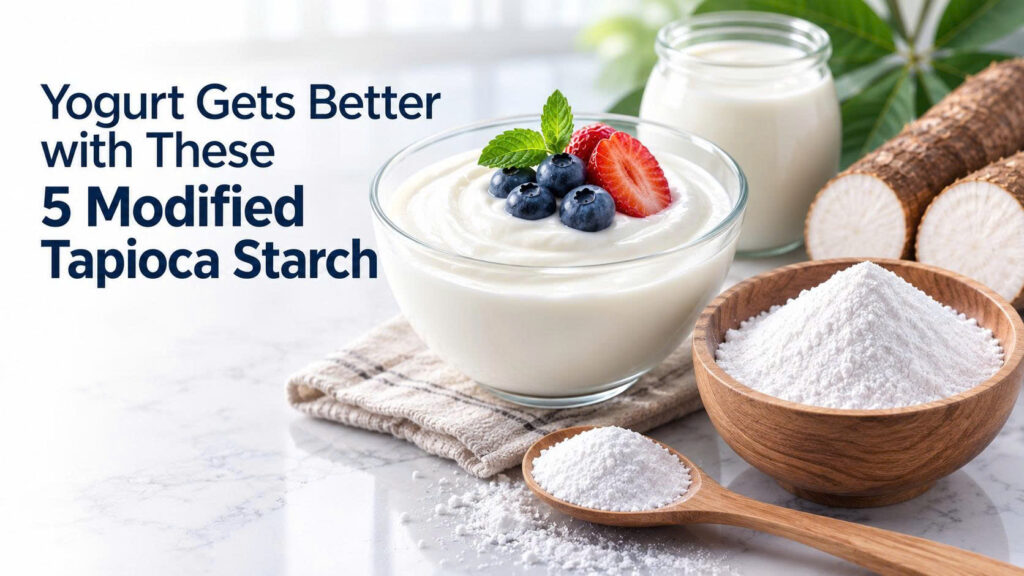
Selecting the Right Starch Grade Matters
There is no single modified tapioca starch suitable for every yogurt formulation.
Starch performance depends on factors such as:
processing temperature, shear level, pH, required viscosity and storage conditions.
For this reason, manufacturers should select starch based on application performance rather than viscosity specification alone.
As a modified tapioca starch manufacturer, our role is to provide starch grades with the appropriate balance of viscosity, water holding, process tolerance and texture for each application.
Conclusion
Modified tapioca starch can provide five important functions in yogurt:
Viscosity control, water retention, smooth texture, process stability and shelf-life stability.
The key is selecting the right modification and starch grade for the required production conditions.
If you are developing or optimizing a yogurt product, contact our team to discuss the most suitable modified tapioca starch for your application.