
Introduction
When developing sauce formulations, one of the most important decisions is choosing the right thickening agent. Many manufacturers compare modified tapioca starch vs corn starch for sauce to determine which ingredient delivers better performance. This choice directly affects not only the texture and appearance of the final product but also its stability during processing, storage, and consumption.
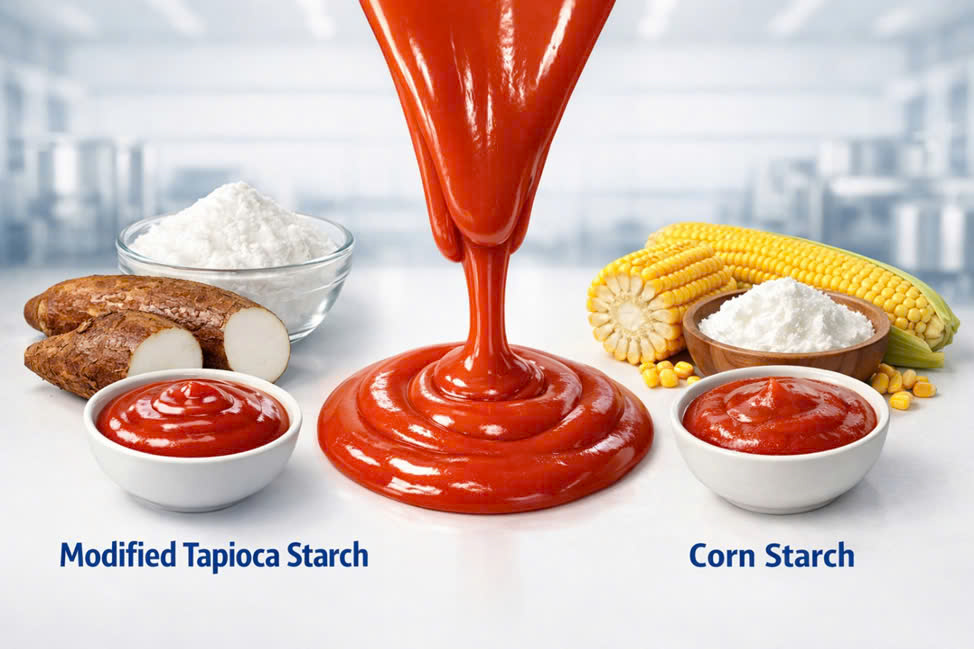
Modified tapioca starch is often preferred for its ability to provide a smooth, glossy texture and excellent clarity, making it ideal for premium sauces such as ketchup, dressings, and glazes. It performs well under high heat, shear, and acidic conditions, ensuring consistent viscosity even after pasteurization or retort processing. In contrast, corn starch tends to produce a more opaque and sometimes slightly grainy texture, which may not meet the visual and sensory expectations of modern consumers.
Another key factor is stability over time. Sauces made with modified tapioca starch typically show better resistance to syneresis (water separation) and maintain their structure during freeze-thaw cycles. This is particularly important for products distributed in cold chains or exported to distant markets. Additionally, modified tapioca starch offers better tolerance to processing variations, helping manufacturers achieve more reliable batch-to-batch consistency. As a result, understanding the differences between these two starches is essential for optimizing both product quality and production efficiency.
Tapioca Starch vs Corn Starch: Key Differences
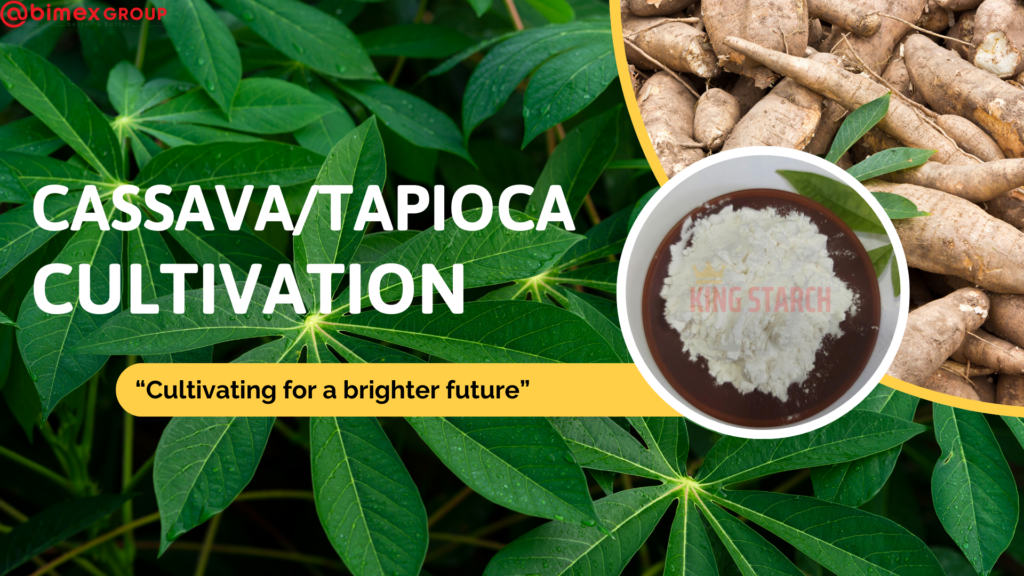
Source and Origin
- Tapioca starch: extracted from cassava root
- Corn starch: derived from maize
Tapioca starch is widely preferred in global markets due to its neutral taste, smooth texture, and plant-based appeal.
Functional Comparison in Sauce Applications
- Viscosity and Thickening Performance
Modified tapioca starch:
- Provides stable and consistent viscosity
- Works well in complex formulations
- Ideal for viscosity control in sauces
Corn starch:
- Thickens effectively but less stable
- May break down under high processing conditions
- Texture and Appearance
Modified tapioca starch:
- Smooth, glossy finish
- Clean mouthfeel
Corn starch:
- More opaque
- Slightly heavier texture
- Thermal and Acid Stability
In industrial sauce production, stability is critical.
Modified tapioca starch offers:
- Excellent thermal stability
- Strong resistance to acidic environments (low pH)
- Stability under high shear mixing
Corn starch:
- More sensitive to heat and acid
- Can lose viscosity during processing
- Freeze-Thaw Stability
A key advantage of tapioca-based starch:
- Acts as a freeze thaw stable starch
- Prevents syneresis (water separation)
- Maintains structure after freezing
Corn starch performs less effectively in frozen applications.
- Cost Efficiency in Formulation
While corn starch may have a lower unit price, modified tapioca starch often delivers better cost-performance ratio by:
- Reducing formulation risks
- Providing consistent results
- Minimizing product defects
Which Starch is Better for Sauce?
👉 Modified tapioca starch is generally the better choice for industrial sauce production, especially when you need:
- Stable viscosity
- Smooth texture
- Resistance to heat and acid
- Reliable performance in large-scale processing
When Should You Still Use Corn Starch?
Corn starch may be suitable for:
- Simple, low-cost formulations
- Products with minimal processing requirements
- Short shelf-life applications
Choosing the Right Supplier Matters
Performance also depends on sourcing from a reliable supplier.
👉 Learn more: modified tapioca starch for sauce applications (internal link)
Why ABIMEX GROUP?
ABIMEX GROUP supplies high-quality modified tapioca starch designed for sauce manufacturers worldwide.
We support:
- Consistent product quality
- Technical consultation
- Global export logistics
FAQ – Tapioca Starch vs Corn Starch
Which starch is better for sauce thickening?
Modified tapioca starch is preferred due to its stability, smooth texture, and performance under processing conditions.
Is tapioca starch better than corn starch for acidic sauces?
Yes. Tapioca starch performs better in low pH environments such as ketchup and tomato-based sauces.
Which is more cost-effective?
Modified tapioca starch often provides better overall cost efficiency due to higher performance and lower risk of product failure.
Conclusion
For food manufacturers seeking performance, consistency, and scalability, modified tapioca starch is the superior choice over corn starch.
👉 Contact ABIMEX GROUP today to find the right starch solution for your sauce production.
